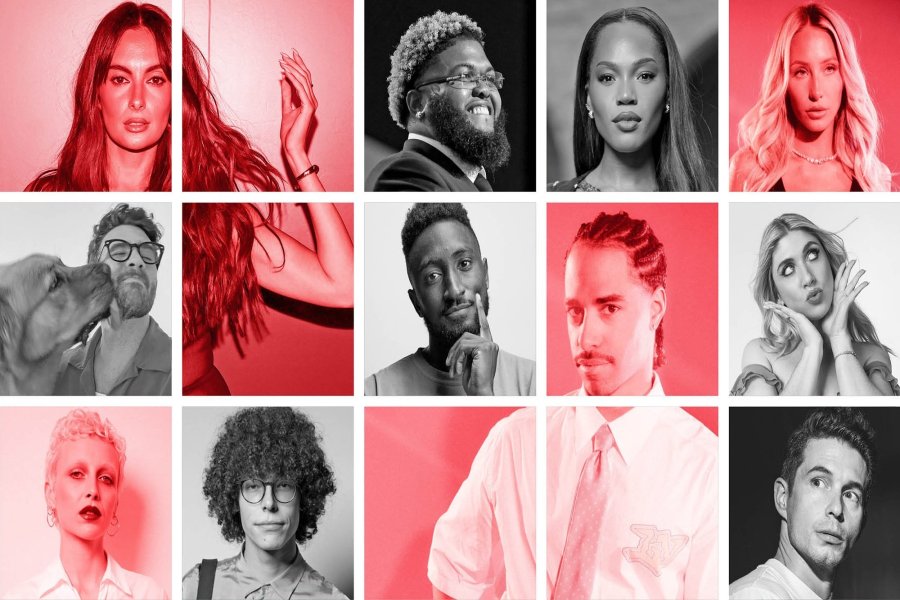
The world of influencer entertainment is one of the most fascinating and fast-evolving industries today. What began as simple social media posting has transformed into a billion-dollar business where digital creators wield as much power as Hollywood stars. Influencers shape trends, drive brand sales, and connect with audiences in ways traditional media never could.
Yet, behind the filters and sponsorship deals lies a hidden world of strategy, competition, and constant reinvention. In this article, we uncover the secret world of influencer entertainment—how it works, what drives it, and why it’s changing the future of fame.
The Rise of the Influencer Era
The influencer era began with platforms like YouTube, Instagram, and later TikTok. Ordinary people suddenly had the power to reach millions without needing a studio, agent, or network deal. Authenticity became the new celebrity currency.
Creators like Charli D’Amelio, MrBeast, and Emma Chamberlain turned casual content creation into full-fledged careers. Brands quickly recognized this power, shifting their marketing strategies from traditional advertising to influencer partnerships. The result? Influencers became not just entertainers, but key players in global media.
By 2025, the influencer marketing industry is projected to surpass $24 billion, making it one of the fastest-growing sectors in entertainment.
The Business Behind the Fame
While influencers may appear to live glamorous lives, much of their success comes down to meticulous business planning. Top influencers operate as media companies—managing content production, sponsorships, analytics, and fan engagement.
Many work with talent agencies that handle brand deals, negotiate contracts, and manage PR. Others launch their own ventures—beauty lines, podcasts, or digital platforms—to diversify income.
For example, YouTuber MrBeast built a business empire around his brand, including a food chain and a chocolate line. Similarly, Addison Rae and Hailey Bieber leveraged their online fame into thriving lifestyle brands.
Behind the scenes, a dedicated team often handles marketing, editing, management, and legal work. The influencer may be the face, but the business runs like a well-oiled machine.
The Hidden Pressure of Constant Creation
While influencer life may look effortless, it’s anything but. The demand for constant content can be exhausting. Algorithms change, trends evolve, and audiences expect daily updates.
Influencers must always appear relatable yet aspirational—a delicate balance that can lead to burnout. Many admit to struggling with mental health issues like anxiety and imposter syndrome, despite their success.
Moreover, online criticism can be brutal. Every post is open to public judgment, and one misstep can lead to “cancel culture.” To stay relevant, influencers often reinvent their content style or even their personalities to align with changing audience preferences.
The Power of the Influencer Community
One of the most overlooked aspects of influencer entertainment is collaboration. Influencers often team up for joint videos, product launches, or live events, boosting each other’s visibility.
Communities like YouTube collectives (e.g., The Sidemen or Dream SMP) and TikTok houses (like The Hype House) became central to influencer culture. These collaborations amplify engagement, allowing creators to cross-promote and share audiences.
Behind the scenes, collaborations are often strategic. They’re planned around audience overlap, engagement analytics, and brand synergy. In the world of influencer entertainment, networking is as vital as talent.
The Dark Side of Digital Stardom
Fame in the digital age comes with unique challenges. The pressure to maintain relevance can push influencers into extreme behavior—staged controversies, fake relationships, or sensational content purely for clicks.
Financial exploitation is another issue. Young influencers sometimes sign unfair contracts or lose control of their content to management firms. Additionally, as AI-generated influencers enter the scene, competition for attention is fiercer than ever.
The lack of regulation in the industry means that transparency, especially around sponsorships, remains a gray area. Many creators face scrutiny for undisclosed ads or misleading content.
Despite these pitfalls, most influencers are learning to navigate fame responsibly—embracing authenticity, ethical advertising, and mental health awareness.
The Future of Influencer Entertainment
The next wave of influencer entertainment is set to be even more immersive. Virtual influencers, augmented reality (AR) campaigns, and AI-generated content are already reshaping how audiences engage with creators.
Long-form storytelling is also making a comeback through podcasts, documentaries, and YouTube series. Audiences are craving deeper, more meaningful connections with the people they follow.
Brands will continue to integrate influencers into their marketing, but the partnerships will be more authentic and long-term. The future belongs to creators who balance creativity, business acumen, and genuine human connection.
Conclusion
The secret world of influencer entertainment is a fascinating blend of art, business, and psychology. Influencers are not just trendsetters—they are entrepreneurs, storytellers, and digital pioneers shaping the future of media.
As technology evolves and audiences demand more transparency, the industry will continue to mature. The next generation of influencers won’t just entertain us—they’ll redefine what it means to be famous in the digital age.
Frequently Asked Questions
What is influencer entertainment?
Influencer entertainment refers to content created by social media personalities who use platforms like Instagram, YouTube, and TikTok to engage audiences and promote brands.
How do influencers make money?
Influencers earn through brand partnerships, sponsorships, ads, affiliate marketing, merchandise, and personal business ventures.
Why are influencers important in marketing?
Influencers have loyal audiences who trust their opinions, making them powerful marketing tools for brands seeking authentic connections with consumers.
What challenges do influencers face?
They face pressure to create constant content, deal with public scrutiny, and navigate mental health challenges and business complexities.
What is the future of influencer entertainment?
The future includes more immersive technology, ethical advertising, and a shift toward authenticity, with AI and virtual influencers joining the mix.