
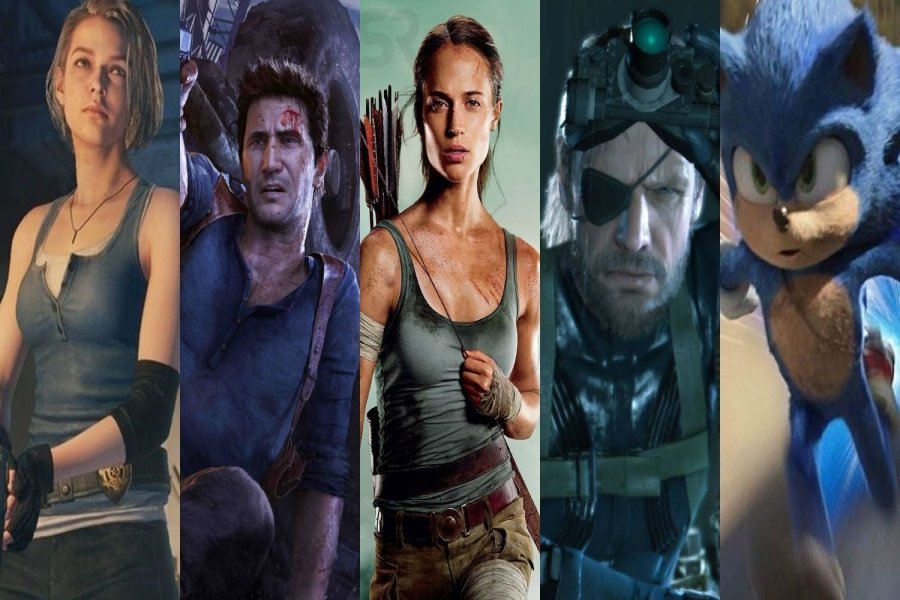
Once dismissed as simple pastimes, video games have grown into one of the most powerful storytelling mediums of our time. What began with pixelated adventures has evolved into cinematic experiences rivaling Hollywood’s biggest blockbusters. With lifelike graphics, complex narratives, and emotionally rich performances, video games have become the new movies—offering players not just stories to watch, but worlds to live in.
This article explores how video games achieved this transformation, the technologies driving their cinematic evolution, and why they are redefining entertainment in the 21st century.
The Shift from Play to Storytelling
Early video games focused on gameplay mechanics rather than storytelling. Titles like Pac-Man and Super Mario Bros. thrived on simple objectives—rescue the princess, score the most points, beat the final boss. Story was secondary.
But as technology advanced, developers realized games could offer something deeper: immersive narratives. The 1990s saw the rise of story-driven games like Final Fantasy VII and Metal Gear Solid, which introduced emotional depth, voice acting, and cutscenes that resembled movie sequences. Players were no longer just participants—they were protagonists in evolving cinematic worlds.
By the 2000s, games like Half-Life 2, Bioshock, and Mass Effect raised storytelling to new heights, blending gameplay with movie-like scripts, complex characters, and moral choices. Players didn’t just play the hero—they became the hero, making decisions that shaped the story’s outcome.
Cinematic Production Values
Modern video games now rival or even surpass Hollywood in terms of production quality. Developers use motion capture technology to bring characters to life with stunning realism. Performers like Norman Reedus (Death Stranding) and Keanu Reeves (Cyberpunk 2077) have joined the gaming world, lending their star power and acting skills to interactive narratives.
Game studios now employ screenwriters, directors, and cinematographers just like movie studios. Games like The Last of Us Part II and Red Dead Redemption 2 feature detailed scripts, character arcs, and dialogue that mirror award-winning dramas. These titles use lighting, sound, and camera angles to evoke emotion and tension—techniques straight out of the filmmaker’s playbook.
Immersion and Emotional Connection
One of the biggest advantages video games have over movies is interactivity. While a film asks audiences to sit back and watch, games invite them to participate. This active engagement makes the emotional impact stronger.
In games like The Last of Us, players don’t just witness tragedy—they feel it, because they’ve spent hours surviving alongside the characters. The line between observer and participant disappears, making the storytelling experience more personal and powerful than any traditional movie.
Virtual reality (VR) takes this immersion even further. Games like Half-Life: Alyx allow players to step inside the story, blurring the boundary between cinema and reality.
From Adaptation to Originality
The relationship between video games and movies has evolved dramatically. Once, games were adaptations of blockbuster films—think GoldenEye 007 or Spider-Man 2. Now, it’s the other way around.
Major studios are adapting games into movies and TV shows, such as The Last of Us, Sonic the Hedgehog, and The Super Mario Bros. Movie. These adaptations prove that games have become rich sources of storytelling, capable of inspiring cinematic masterpieces.
Game developers, in turn, are taking cues from film structure—using pacing, dialogue, and visual language to create emotional arcs. This cross-pollination between mediums is reshaping how both industries tell stories.
The Power of Technology
Technological advancements have been instrumental in turning video games into cinematic experiences. The rise of powerful game engines like Unreal Engine 5 and Unity has made it possible to create photorealistic environments and lifelike characters.
Ray tracing, real-time rendering, and AI-driven animation allow games to achieve visuals once exclusive to Hollywood CGI. Meanwhile, powerful consoles and gaming PCs enable seamless storytelling through smooth transitions, real-time choices, and high-quality sound design.
Motion capture and facial recognition technologies have also revolutionized character expression. Performances from actors are captured with stunning accuracy, allowing players to read subtle emotions on a character’s face—something that used to be impossible in earlier generations.
The Cultural Impact of Games as Art
Today, video games are widely recognized as an art form. They have their own film festivals, awards shows, and critical recognition. Titles like Journey, Inside, and Firewatch demonstrate that games can tell intimate, emotional stories without massive budgets or explosions.
This cultural shift has also changed public perception. Gaming is no longer just a hobby for teenagers—it’s mainstream entertainment. Games like Fortnite and Genshin Impact bring together millions of players worldwide, while narrative-heavy games like God of War Ragnarök are celebrated as artistic achievements.
The blending of gaming and cinema has also given rise to new genres, such as interactive films (Bandersnatch) and hybrid experiences that merge both worlds.
Why Games Surpass Movies in Engagement
Video games have a unique storytelling advantage: choice. Unlike films, which follow a fixed script, games let players influence the story’s direction. This interactivity creates emotional investment unlike any passive viewing experience.
When players make moral decisions or face consequences for their actions, they form a bond with the narrative. This emotional engagement keeps players invested for hours—or even years—in worlds that continue to evolve through expansions and updates.
For many, video games are not just entertainment; they are experiences that define memories, friendships, and personal growth.
Conclusion
Video games have come a long way from their arcade origins. Today, they stand shoulder to shoulder with movies—not as competitors, but as equals in storytelling and cultural influence. Through advanced technology, immersive storytelling, and emotional depth, video games have become the new movies, offering interactive experiences that captivate hearts and minds worldwide.
As the line between gaming and cinema continues to blur, one thing is clear: the future of entertainment lies not just in watching stories—but in living them.
Frequently Asked Questions
Why are video games compared to movies?
Video games are compared to movies because they now feature cinematic storytelling, realistic visuals, and emotional depth similar to film experiences.
How did technology change video games?
Advancements like motion capture, AI animation, and powerful game engines have transformed games into lifelike, immersive experiences.
Are video games better than movies for storytelling?
In many ways, yes—games allow players to interact with stories, creating personal connections and emotional investment that movies can’t match.
What are some cinematic video games?
Titles like The Last of Us, Red Dead Redemption 2, God of War, and Cyberpunk 2077 are known for their movie-like storytelling and visuals.
Will video games replace movies?
Not entirely. While games offer interactivity, movies still provide passive storytelling. The two mediums now complement and influence each other.