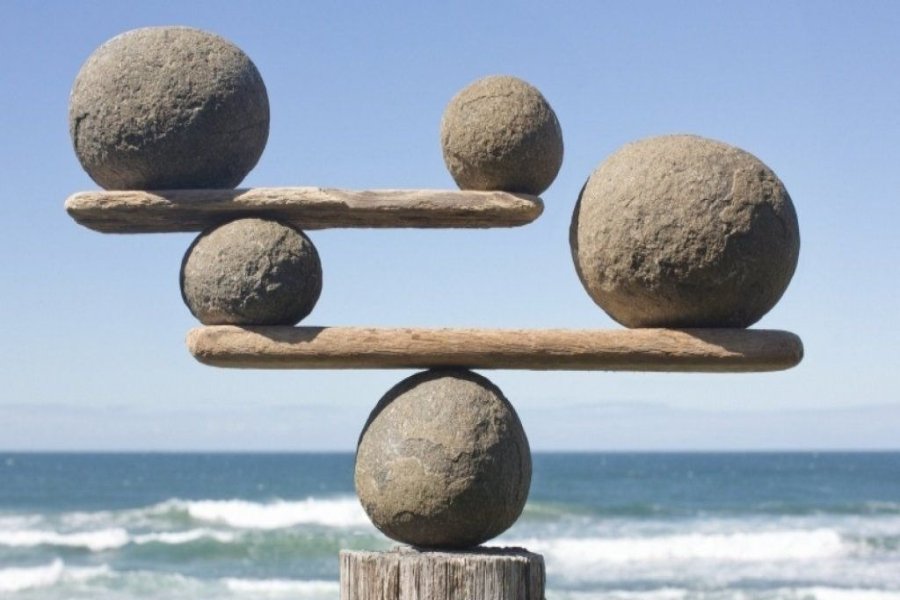
In a world that moves at lightning speed, balance often feels like a luxury. We chase deadlines, manage responsibilities, and try to find time for ourselves—all while juggling family, work, and personal goals. The truth is, balance isn’t about doing everything perfectly; it’s about aligning your priorities in a way that brings peace and fulfillment.
This article explores the art of balance—how to create harmony in your daily routine, nurture your well-being, and live a more intentional life.
1. Understanding What Balance Really Means
Balance doesn’t mean splitting your time evenly between work, rest, and play. Instead, it’s about creating a rhythm that feels right for you. For some, that might mean more focus on career growth; for others, it could be spending time with loved ones or exploring creativity.
The key is awareness. Take a moment to reflect on where your energy goes each day. Are you spending time on what truly matters, or are you constantly reacting to external pressures? Recognizing imbalance is the first step toward change.
2. Simplify Your Daily Routine
One of the easiest ways to bring balance into your life is by simplifying your day. Many of us overcommit, trying to do too much at once. Start by identifying tasks that drain your energy and those that recharge you.
Prioritize what’s essential and let go of what isn’t. Decluttering your physical and mental space can help you feel lighter. A simple to-do list, focused on meaningful tasks, can create a smoother and more productive day.
Simplifying isn’t about doing less—it’s about doing what matters most.
3. Make Time for Self-Care
In the rush of daily life, self-care often takes a back seat. But taking care of yourself isn’t selfish—it’s necessary. Whether it’s a quiet morning coffee, a daily walk, or a few minutes of meditation, these small acts of care replenish your mind and body.
Self-care also means setting boundaries. Learn to say no to things that don’t align with your priorities. Protect your time and energy the same way you would protect your most valuable resource—because that’s exactly what they are.
4. Embrace Mindfulness and Presence
We often move through life on autopilot, thinking about what’s next instead of what’s now. Mindfulness helps us slow down and reconnect with the present moment.
Take time to notice simple joys—the warmth of the sun, a good meal, or a meaningful conversation. When you bring awareness to small moments, you start to appreciate life more deeply.
Mindfulness can also help reduce stress. By focusing on the present, you release worries about the past and future, finding calm in the here and now.
5. Nurture Relationships That Matter
Healthy relationships are a cornerstone of a balanced life. Surround yourself with people who uplift you, challenge you, and support your growth. Quality matters more than quantity—nurture meaningful connections rather than spreading yourself too thin.
Take time to truly listen when you’re with others. Being fully present in your interactions builds stronger bonds and brings a sense of harmony to your social life.
6. Create Boundaries Between Work and Life
In a digital world, the line between work and personal life often blurs. Emails, messages, and meetings spill into evenings and weekends. To restore balance, create clear boundaries.
Set a specific time to disconnect from work each day. Use that time to recharge—whether through hobbies, family time, or rest. When you protect your personal space, you return to work with renewed energy and creativity.
Boundaries are not barriers—they’re bridges to a healthier life.
7. Practice Gratitude Daily
Gratitude shifts your perspective from what’s missing to what’s present. Taking a few moments each day to reflect on what you’re thankful for can create emotional balance and contentment.
It could be something small—a smile from a stranger, a peaceful morning, or a personal achievement. Gratitude reminds you that even in chaos, there’s beauty to be found.
Over time, this mindset helps reduce stress, improve relationships, and bring more harmony into your daily life.
Conclusion
The art of balance isn’t about perfection—it’s about awareness, intention, and self-compassion. When you align your actions with your values and take time for what truly matters, life feels less chaotic and more fulfilling.
Creating harmony in everyday life starts with small, consistent steps—simplifying your routine, practicing mindfulness, and embracing gratitude. In doing so, you’ll find that balance isn’t a destination, but a way of living that brings peace to every part of your day.
Frequently Asked Questions
How can I create balance in my life?
Start by identifying your priorities, setting boundaries, simplifying tasks, and making time for self-care and mindfulness.
Why is balance important for well-being?
Balance reduces stress, improves mental clarity, and helps you feel more fulfilled and in control of your life.
How do I balance work and personal life?
Set clear work hours, disconnect after work, and dedicate time to activities that help you relax and recharge.
What role does mindfulness play in balance?
Mindfulness helps you stay present, reduce anxiety, and appreciate small moments that bring peace and clarity.
Can simplifying my life help with balance?
Yes, simplifying reduces overwhelm and helps you focus on what truly matters, creating more time and space for joy and calm.